Practical Guide to Choosing Native Plants
Selecting native plants for your garden can enhance biodiversity, reduce maintenance, and support local wildlife. This guide provides insights into the benefits of native plants and practical steps for selecting the right species for your landscape.
Understanding the Value of Native Plants
According to the U.S. National Park Service, native plants are those that have developed in a specific region over time. They are well-adapted to local climate and soil conditions, which typically makes them more resilient than non-native varieties. This adaptability means they often require less water, fertilizer, and pesticides, aligning with sustainable gardening practices.
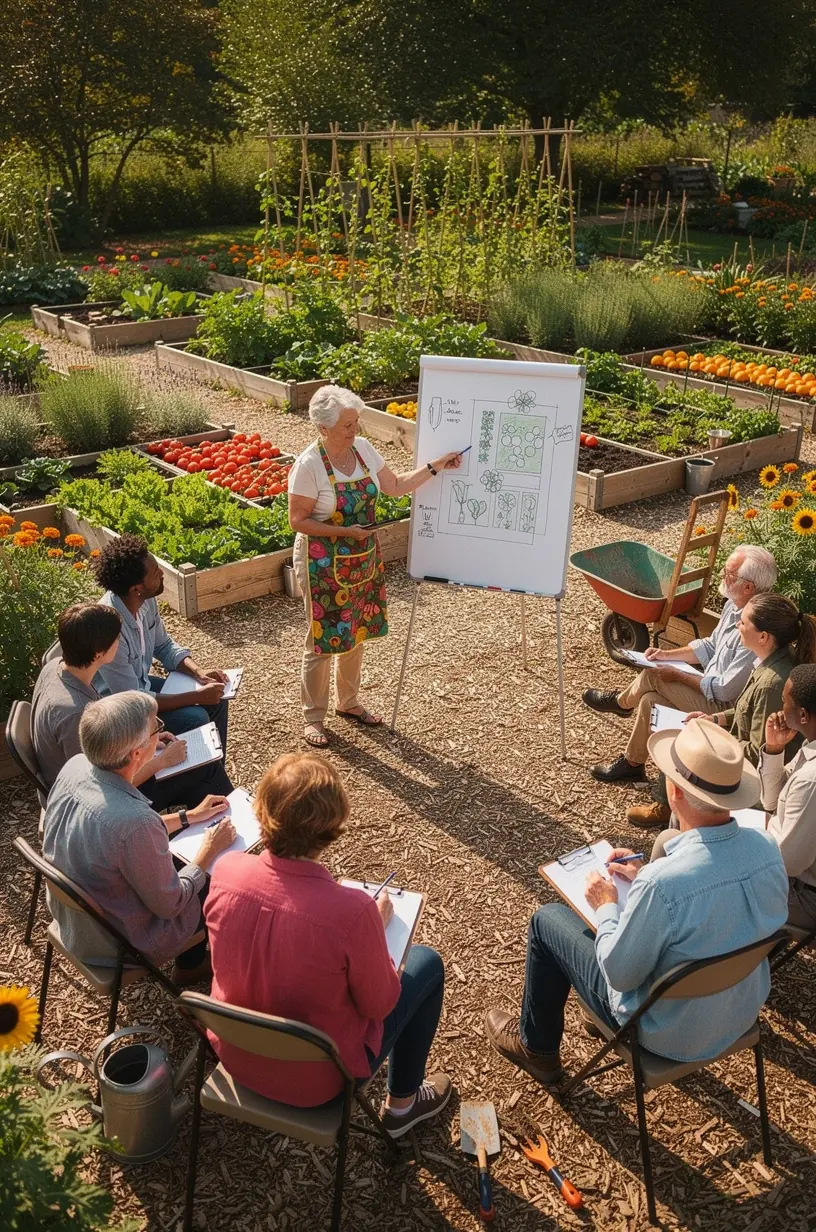
"Native plants can help restore ecosystems and provide essential habitat for local wildlife." - National Wildlife Federation
Benefits of Choosing Native Plants
- Lower Maintenance: Studies show that native plants typically require less upkeep once established, making them a practical choice for busy gardeners.
- Enhanced Biodiversity: Research indicates that incorporating native species can significantly increase local biodiversity, supporting various pollinators and other wildlife.
- Environmental Resilience: Experts recommend native plants for their ability to thrive in local soil and climate conditions, which can lead to better survival rates and reduced irrigation needs.
Steps for Selecting Native Plants
Choosing native plants involves several thoughtful steps:
- Assess Your Space: Evaluate the sunlight, soil type, and moisture levels in your garden. This understanding helps in selecting plants that will thrive in your specific conditions.
- Research Local Flora: Use resources like native plant societies or extension services to identify species that naturally occur in your area. Many state universities provide lists of recommended native plants.
- Consider Plant Function: Think about the roles you want the plants to play in your garden, such as attracting pollinators, providing ground cover, or creating privacy.
- Plan for Seasonal Interest: Aim for a mix of plants that bloom at different times throughout the year. This approach can ensure continuous visual interest and support wildlife year-round.
Conclusion
By choosing native plants, gardeners can create landscapes that are not only beautiful but also beneficial to local ecosystems. This process requires careful consideration of local conditions and plant characteristics, but the long-term rewards, including reduced maintenance and enhanced biodiversity, are typically worth the effort. Remember that a well-informed approach can lead to a thriving garden that supports both nature and your landscaping goals.