Designing Functional Outdoor Spaces for Small Yards
In today's urban landscape, small yards often present unique challenges in maximizing outdoor space. With effective design strategies, you can create functional and aesthetically pleasing outdoor areas that enhance your home environment.
Understanding the Basics of Small Yard Design
Designing for small yards requires a thoughtful approach. Experts recommend focusing on functionality while maintaining visual appeal. This is crucial because a well-planned space can lead to a more enjoyable outdoor experience and increase the property’s overall value. According to a study published by the National Association of Realtors, well-designed outdoor spaces can boost a home's value by up to 15% in many cases.
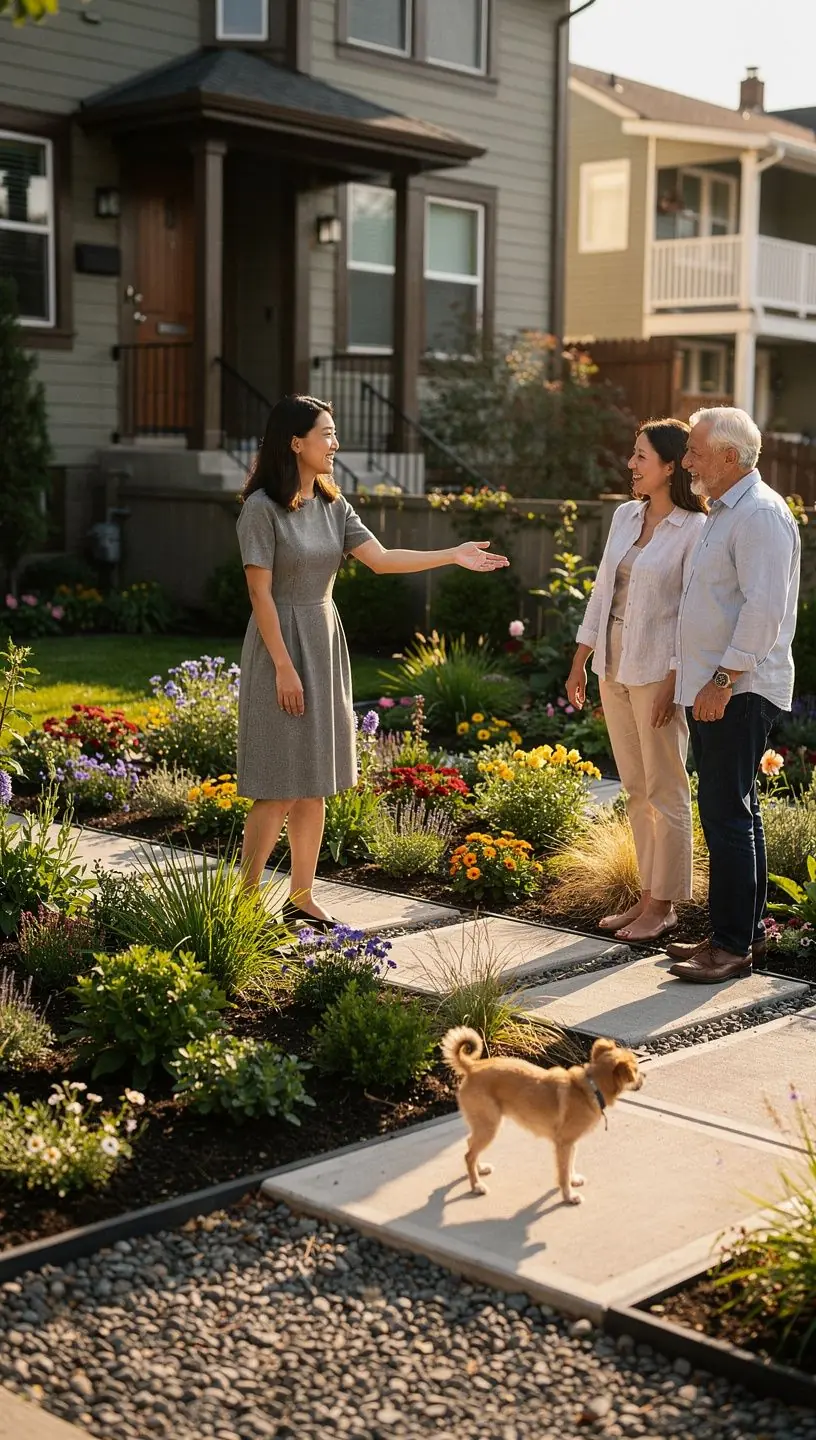
"A well-designed garden can enhance your well-being and provide a peaceful retreat from daily life." - Landscape Architecture Magazine
Key Principles for Small Yard Landscaping
When approaching a small yard design, consider the following principles that can help you utilize space effectively:
- Vertical Gardening: Utilizing vertical space can significantly increase your planting area without taking up more ground space. This approach can help create a sense of depth and interest.
- Multi-Functional Furniture: Invest in outdoor furniture that serves more than one purpose, such as benches with storage or tables that can collapse. This maximizes space while providing necessary functionality.
- Use of Color and Texture: Incorporating vibrant plants and varied textures can make a small space feel more expansive. Many users report that bright colors draw the eye and create a more inviting atmosphere.
Practical Steps for Implementation
Implementing these design strategies involves several actionable steps:
- Assess Your Space: Start by measuring your yard and identifying areas that are underutilized. This typically takes a few hours but is essential for effective planning.
- Choose Your Plants Wisely: Select plants suited for small spaces, such as dwarf varieties or those that grow vertically. Research indicates that native plants often require less maintenance and can thrive in various conditions.
- Incorporate Hardscapes: Use paths, patios, and retaining walls to define spaces and create visual interest. These hard elements can help delineate different areas, making your yard feel larger.
Conclusion
Designing functional outdoor spaces in small yards can present challenges, but with careful planning and execution, it’s possible to create areas that are both beautiful and practical. Remember to focus on verticality, multi-functionality, and thoughtful plant selection. As with any design project, expect to invest time and effort into planning and implementation. Many homeowners report that the results, while requiring commitment, significantly enhance their outdoor experience.
Learn More