How to Incorporate Hardscaping in Your Garden Designs
Integrating hardscaping into garden designs is an effective way to enhance functionality while adding aesthetic appeal. This article will explore the principles and techniques behind effective hardscaping, supported by industry standards and expert recommendations.
Understanding Hardscaping
Hardscaping refers to the non-plant elements of landscape design, such as patios, walkways, walls, and other structures. According to industry experts, well-planned hardscaping can transform a garden into a functional outdoor space, providing areas for relaxation and entertainment.
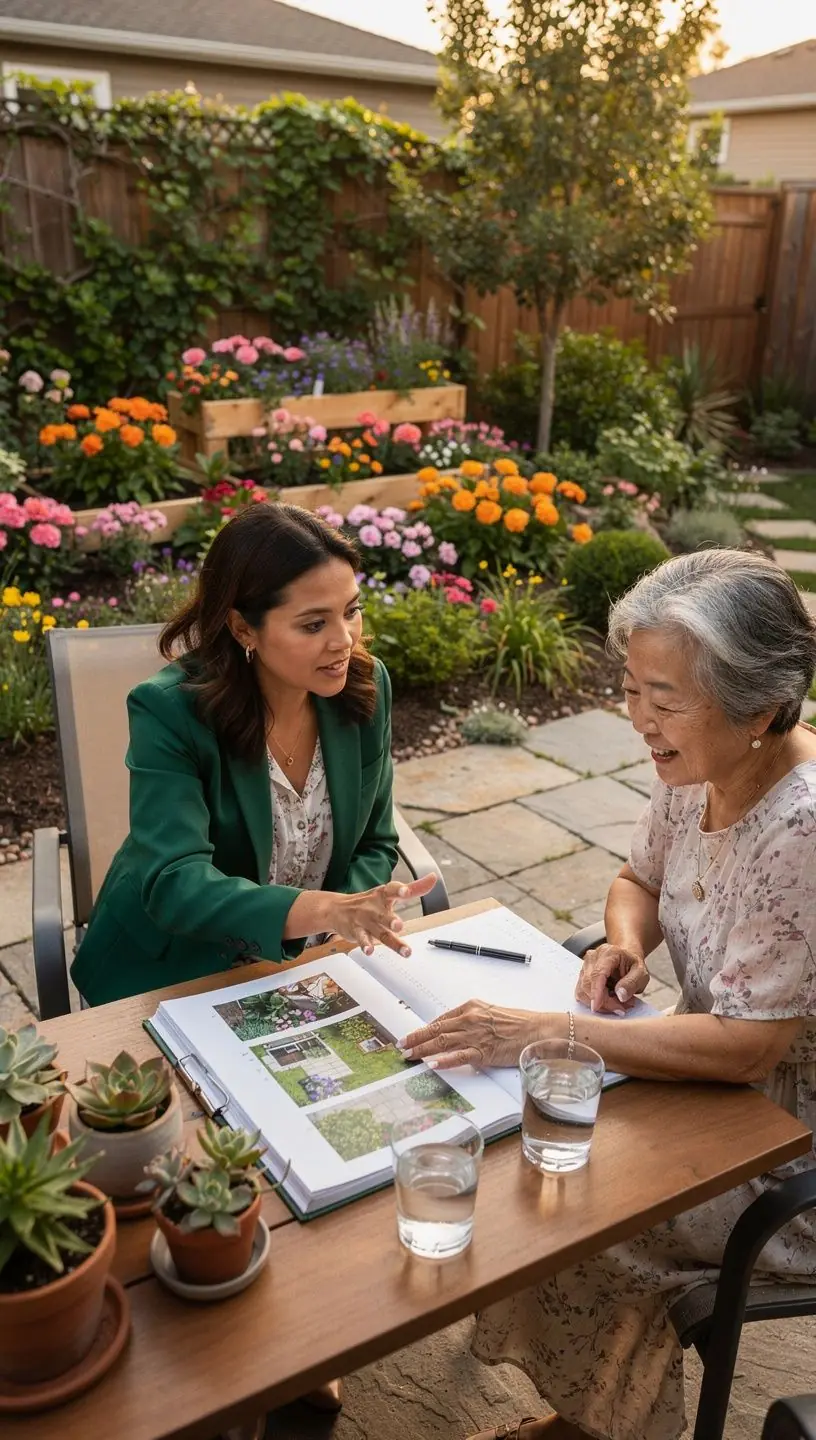
The principle behind incorporating hardscaping is to create balance in your garden design. Natural elements (like plants and soil) are complemented by man-made features, offering both visual interest and practical benefits. Research indicates that gardens with a mix of softscape and hardscape elements are more likely to attract users and maintain their appeal over time.
"A well-designed hardscape can increase the usability of garden spaces while emphasizing the beauty of surrounding greenery."
Choosing the Right Materials
Selecting appropriate materials is critical for effective hardscaping. Common choices include:
- Natural Stone: Offers durability and aesthetic appeal, blending seamlessly with plants.
- Concrete: A versatile option that can be molded to various shapes and sizes; often used for walkways and patios.
- Brick: Provides a classic look and is often used in paths or accents in gardens.
Experts recommend that the materials chosen should match both the style of the home and the surrounding landscape. This is important because mismatched materials can disrupt the visual harmony of the garden.
Designing Functional Spaces
When incorporating hardscaping, consider the following steps to ensure functionality:
- Assess Your Space: Evaluate the size and layout of your garden. Identify areas that could benefit from hardscape features, such as uneven ground or paths that are difficult to navigate.
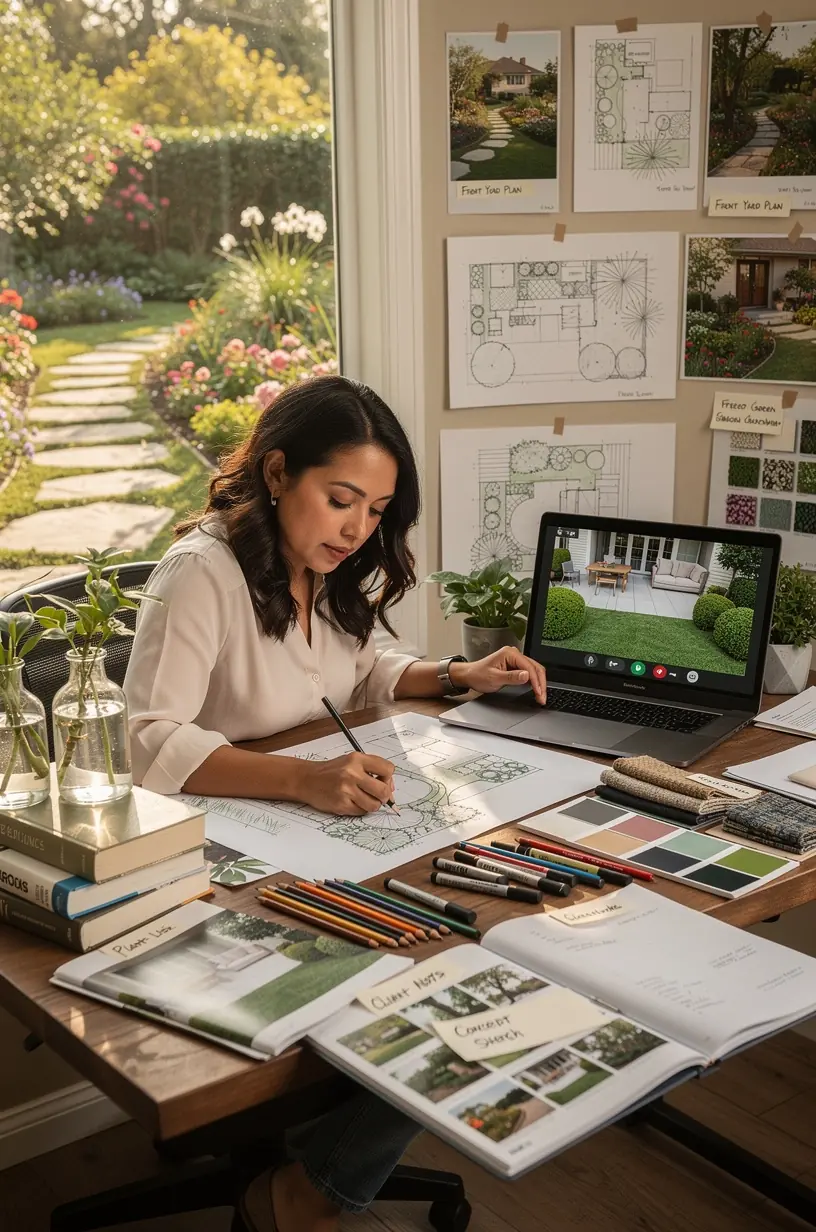
- Plan Your Layout: Create a design plan that includes all elements of hardscape. This should involve spacing considerations and how the hardscape interacts with existing plants.
- Install Thoughtfully: Engage professionals for installation where complex structures are involved, as improper installation can lead to costly maintenance issues.
In most cases, the installation of hardscape features may take 2-4 weeks, depending on the complexity of the project and the size of the area being worked on.
Maintenance Considerations
While hardscaping can significantly enhance the usability of your garden, it does involve a commitment to maintenance. This typically includes regular cleaning, sealing of materials, and occasional repairs. Experts suggest that proactive maintenance can extend the life of hardscape elements and keep them looking new.
It's important to set realistic expectations: while hardscaping can improve the aesthetic and functionality of a garden, it requires ongoing attention, and what works best may vary based on climate and material choice.
Conclusion
Incorporating hardscaping into your garden design can create a beautiful balance between nature and structure. By understanding the basic principles and following industry best practices, you can enhance the functionality and visual appeal of your outdoor spaces. Remember, while hardscaping offers many benefits, it requires careful planning and maintenance to achieve lasting results.
Learn More