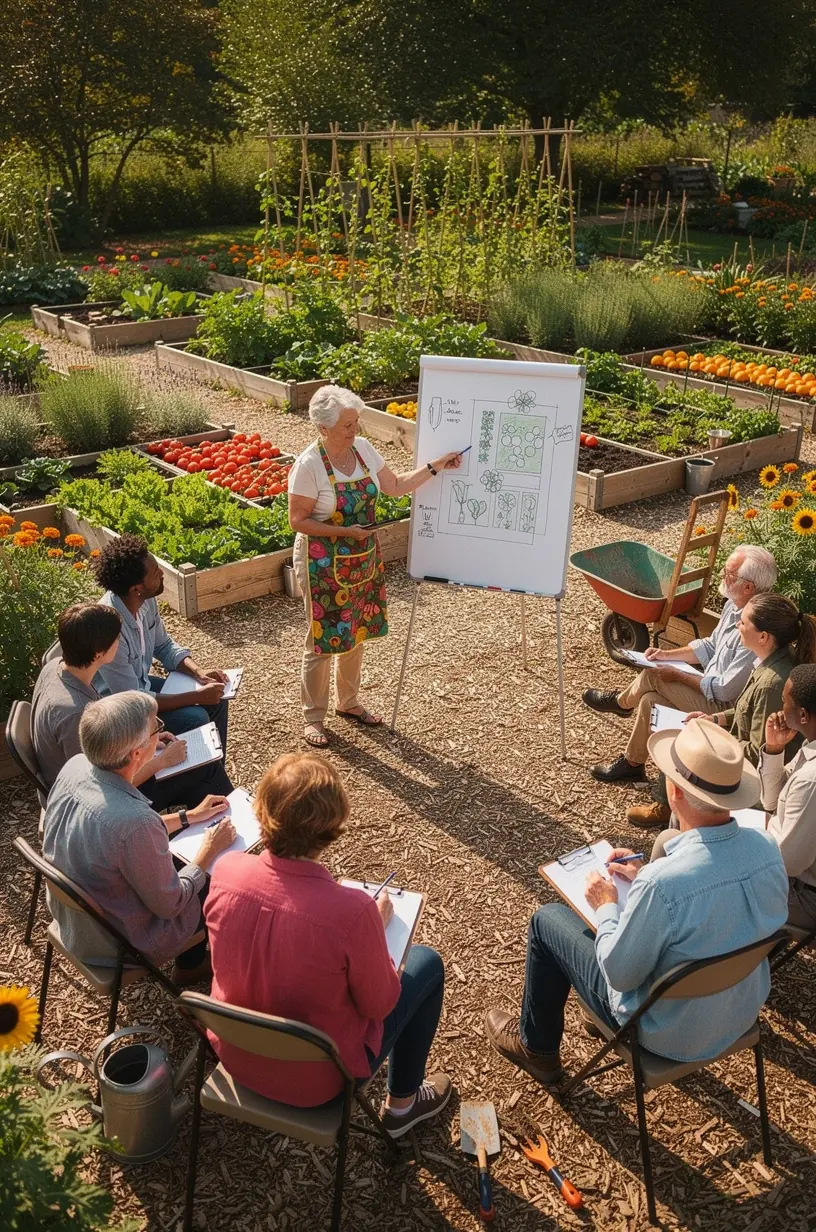
Understanding the Role of Landscape Architecture
Landscape architecture plays a vital role in shaping outdoor spaces, blending nature with design to create functional and aesthetically pleasing environments. With the increasing popularity of small-scale landscaping consultations, it's essential to understand how landscape architecture can enhance your garden and outdoor areas.
What is Landscape Architecture?
Landscape architecture is the art and science of designing outdoor spaces, including gardens, parks, and public areas. This field combines elements of horticulture, ecology, and design principles to create areas that are not only beautiful but also sustainable and functional. Experts in the field suggest that effective landscape architecture can significantly improve the usability and enjoyment of a space.
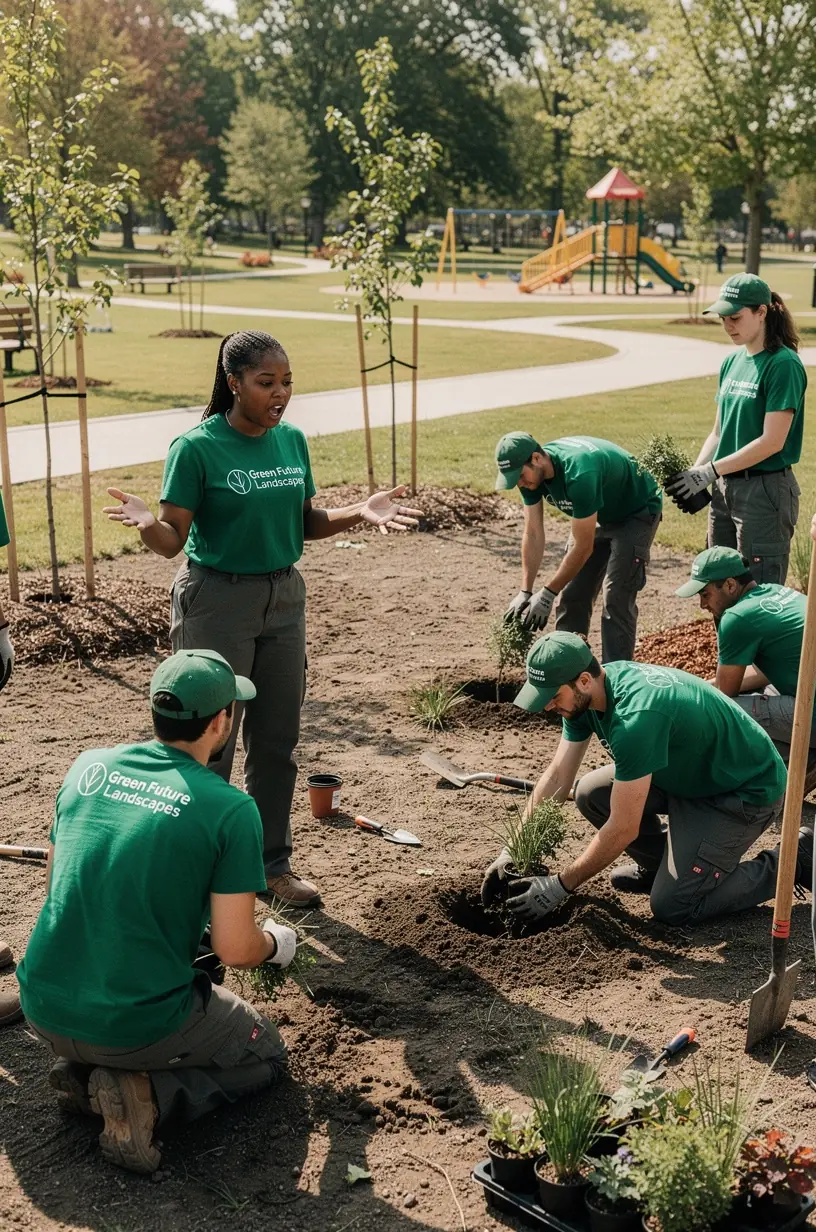
"Landscape architecture integrates nature and design, enhancing both aesthetics and functionality." - American Society of Landscape Architects
The Importance of Landscape Architecture in Garden Design
Understanding the role of landscape architecture in garden design can provide several benefits:
- Improved Aesthetics: Well-designed landscapes create visually appealing environments that can enhance the beauty of a home or public space.
- Functional Spaces: A landscape architect will consider how the space will be used, ensuring that it serves its intended purpose effectively.
- Sustainability: Many landscape architects emphasize eco-friendly practices, such as native planting and water-efficient designs, which can lead to long-term savings and environmental benefits.
How Does Landscape Architecture Work?
The process of landscape architecture typically involves several steps:
- Site Analysis: Landscape architects first evaluate the existing conditions of the site, including soil quality, climate, and existing flora and fauna.
- Concept Development: Based on the analysis, architects create design concepts that outline the vision for the space, incorporating elements such as plants, hardscapes, and water features.
- Implementation: Once a design is approved, landscape architects often oversee the implementation, ensuring that the project adheres to the design specifications.
Considerations for Small-Scale Landscaping Consultations
While engaging a landscape architect for a small-scale project can be beneficial, there are some considerations to keep in mind:
- Time Commitment: Initial consultations and design phases can typically take 2-4 weeks, depending on the complexity of the project.
- Cost Factors: Be prepared for varying costs; while some designs may be more affordable, others may require a larger investment depending on materials and complexity.
- Collaboration: A successful project often involves collaboration between the homeowner and the landscape architect, which may require ongoing communication throughout the process.
Conclusion
Understanding the role of landscape architecture in garden design can empower homeowners to make informed decisions about their outdoor spaces. By engaging with professionals who can provide tailored consultations, you can create a landscape that not only meets your aesthetic desires but also promotes sustainability and functionality. Remember, while the process may take time and involve a level of investment, the long-term benefits of a well-designed landscape can enhance your quality of life and increase your property value.