Exploring Sustainable Practices in Landscaping
As the importance of sustainability grows, many landscaping professionals are seeking ways to incorporate eco-friendly practices into their designs. This article delves into effective sustainable landscaping strategies that not only benefit the environment but also enhance the beauty and functionality of gardens.
Understanding Sustainable Landscaping
Sustainable landscaping refers to designing and maintaining gardens in a way that minimizes environmental impact while promoting biodiversity. According to the American Society of Landscape Architects, sustainable practices can help address issues like water scarcity and habitat loss, making it essential for modern landscaping projects.

"Sustainable landscaping is not just a trend; it's a necessary approach that reflects our responsibility to the environment." - Industry Expert
Key Principles of Sustainable Landscaping
Implementing sustainable landscaping practices typically involves several key principles:
- Native Plants: Using native plants can reduce the need for water and fertilizers, as these plants are adapted to the local climate. Studies suggest that gardens using native species can require up to 50% less maintenance.
- Soil Health: Prioritizing soil health through organic amendments and proper aeration can lead to healthier plants. Research indicates that healthy soil supports robust plant life, which can help reduce pest issues.
- Water Efficiency: Implementing drip irrigation systems and rain gardens can significantly reduce water consumption. Experts recommend using these systems as they can lead to water savings of 30-50% compared to traditional irrigation methods.
Practical Application of Sustainable Practices
Many landscape professionals are successfully integrating sustainable practices into their projects. Here are a few actionable steps:
- Conduct a Site Assessment: Assessing the existing conditions of a site is crucial. This involves understanding the soil types, climate patterns, and existing vegetation to inform your design choices.
- Choose Appropriate Plants: Select plants that require minimal water and maintenance. Typically, native plants are recommended as they thrive in local conditions and support local wildlife.
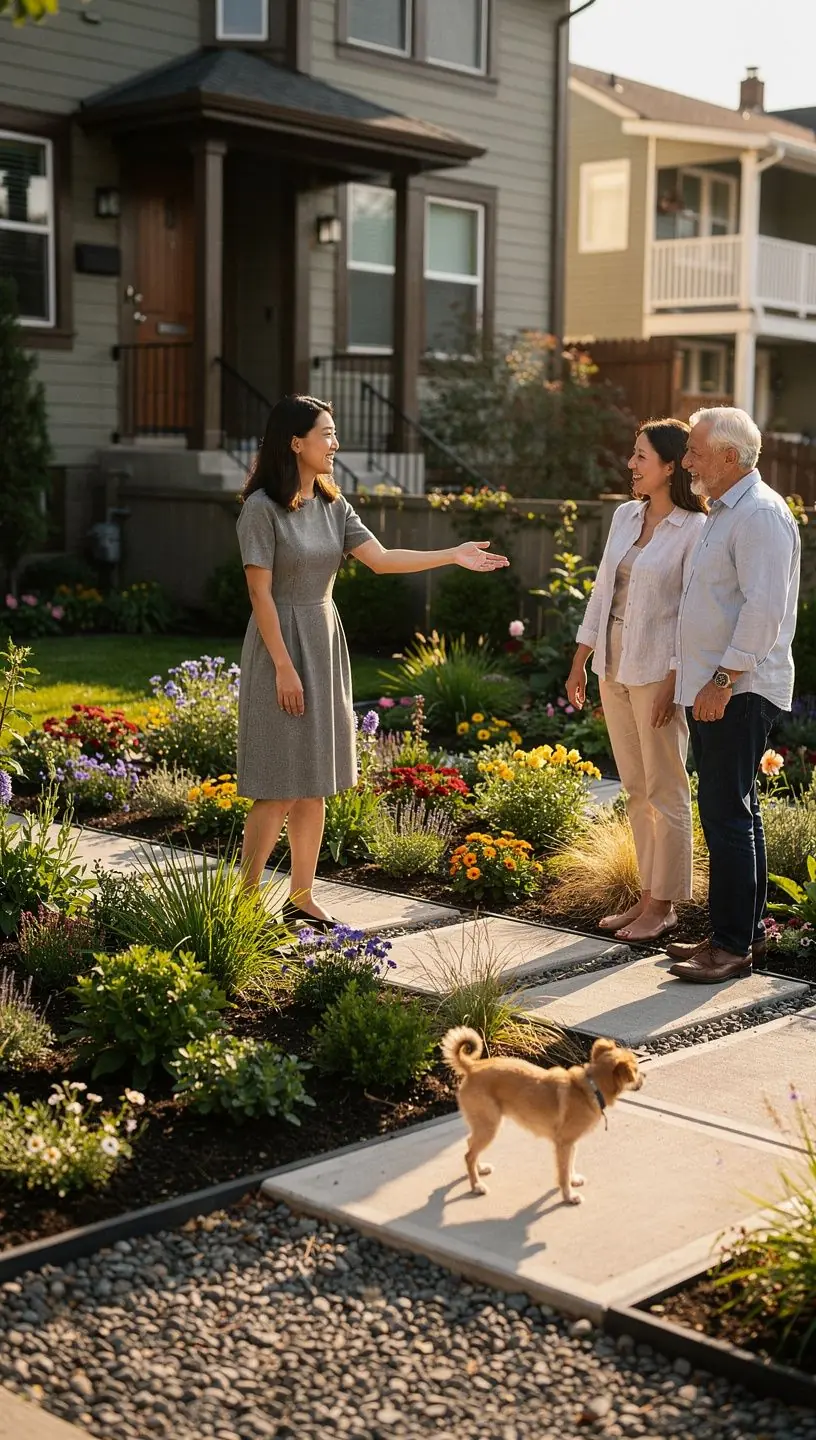
- Implement Eco-friendly Materials: Use sustainable materials such as reclaimed wood or permeable pavers in hardscaping. This not only reduces environmental impact but can also enhance aesthetic appeal.
Challenges and Limitations
While sustainable landscaping offers many benefits, there are challenges to consider:
- Implementing sustainable practices often requires an initial investment, which may be higher than traditional landscaping methods.
- There can be a learning curve for both landscapers and clients in understanding the principles of sustainability.
- In some cases, sustainable options may not be suitable due to specific site conditions or client preferences.
Conclusion
Incorporating sustainable practices into landscaping is a valuable approach that can yield long-term benefits for both the environment and the homeowner. By prioritizing native plants, soil health, and water efficiency, landscape professionals can create beautiful spaces that are in harmony with nature. As awareness of sustainability continues to grow, adopting these practices is not just beneficial; it is increasingly becoming a standard expectation among clients.
Learn More