How to Plan a Small-Space Garden
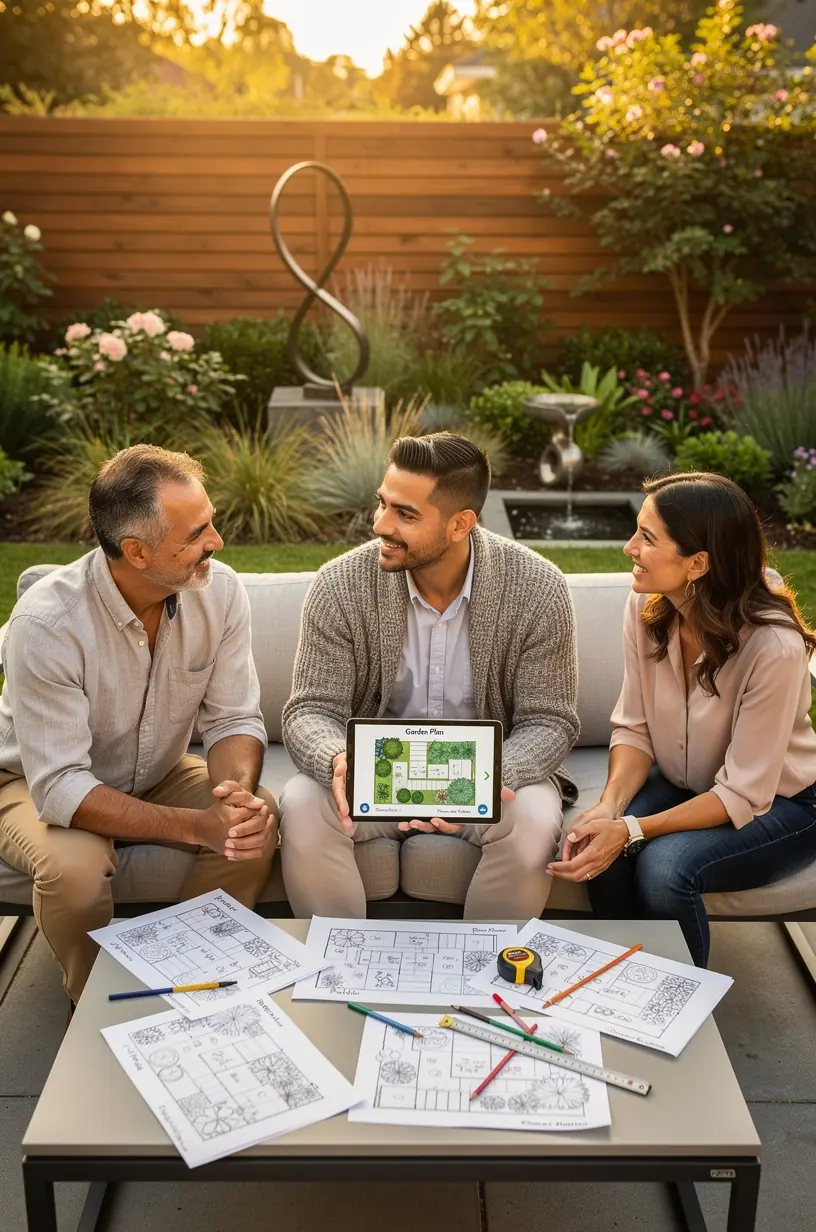
Creating a beautiful garden in a small space can be a rewarding experience. With the right planning and design techniques, even the most compact areas can flourish. This article offers practical insights on how to effectively plan your small-space garden, keeping in mind both aesthetic and functional aspects.
Understanding the Basics of Small-Space Gardening
Small-space gardening typically involves utilizing limited areas such as balconies, patios, or small yards effectively. According to research, urban gardening can enhance mental well-being and contribute to biodiversity in cities. Experts recommend starting with a clear vision of your garden's purpose, whether it’s for relaxation, growing vegetables, or enhancing your home's curb appeal.
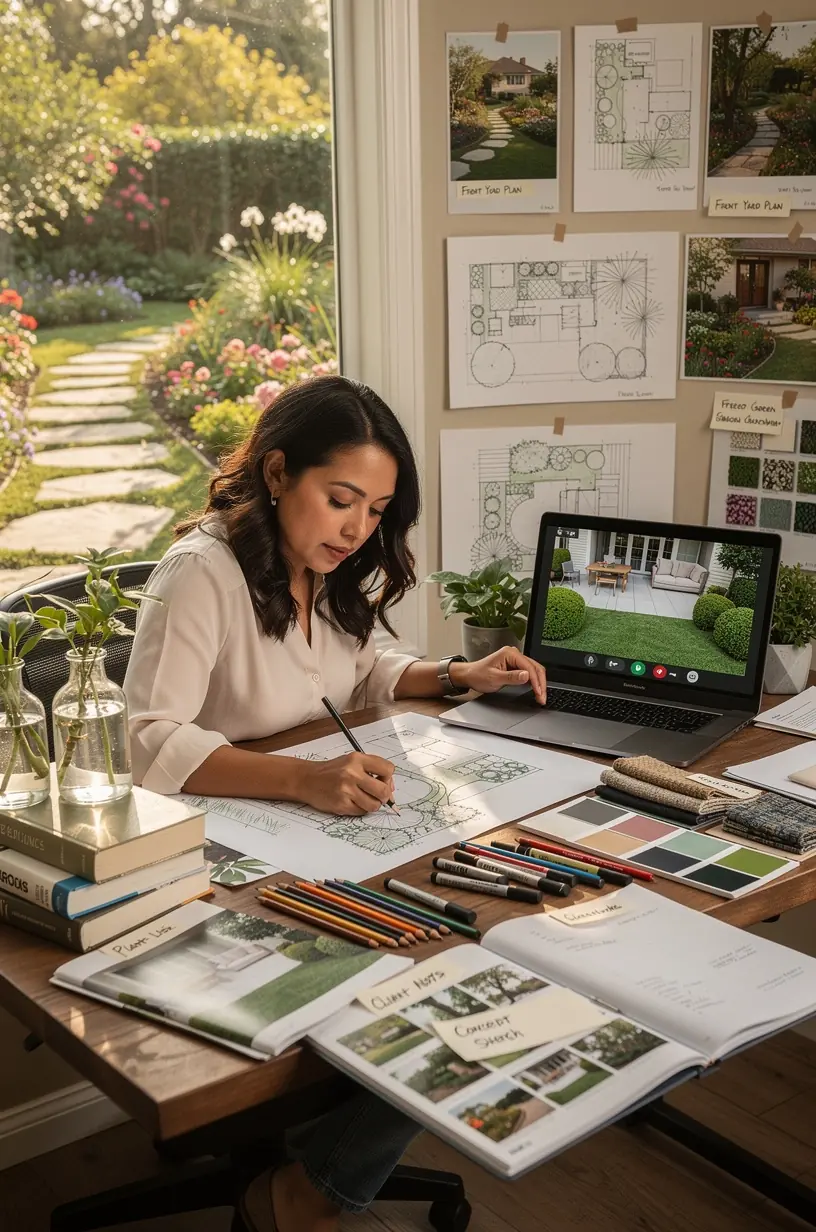
"Gardening in small spaces can greatly impact urban ecosystems, providing habitat for pollinators and increasing green cover." - Urban Gardening Research Group
Steps to Plan Your Small-Space Garden
- Assess Your Space: Measure the area you want to transform. This often takes a few hours but is crucial for effective planning. Consider factors such as sunlight, wind, and accessibility.
- Define Your Goals: Decide what you want from your garden. Whether it's growing herbs, flowers, or simply creating a relaxing nook, having clear objectives will guide your choices.
- Select Appropriate Plants: Choose plants that thrive in small spaces. Research indicates that herbs and compact vegetables can be grown successfully in containers. Many users report satisfaction with vertical gardening, which maximizes space.
Design Principles for Small Gardens
Designing a small garden requires a thoughtful approach. Here are some principles to consider:
- Layering: Use taller plants at the back and shorter ones in front to create depth and visual interest.
- Color and Texture: Incorporate a variety of colors and textures to make the garden feel vibrant and dynamic. Studies show that diverse plant life can improve overall aesthetics.
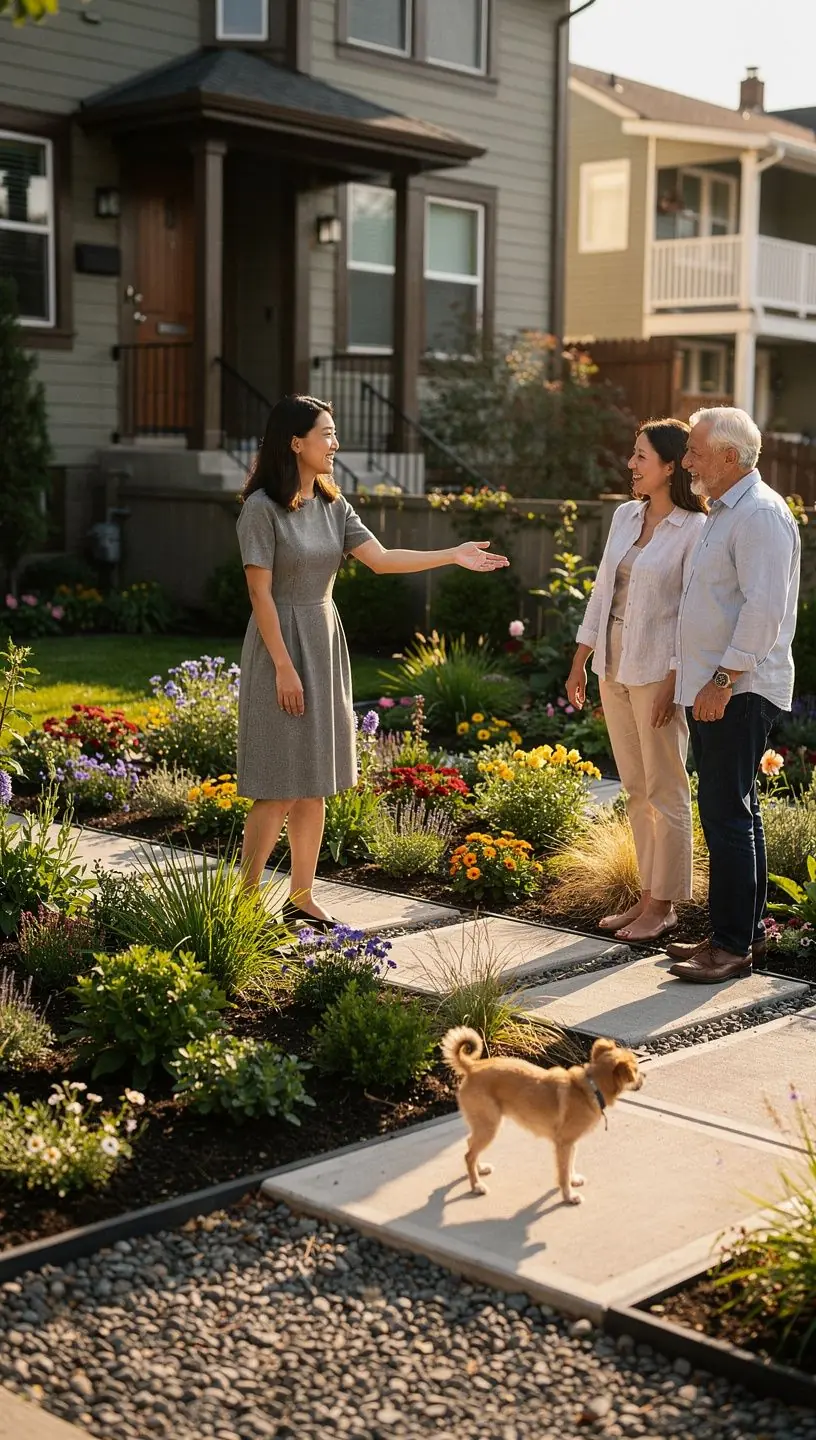
- Functionality: Ensure pathways and seating areas are practical and accessible. This often means leaving enough space for movement while enjoying the garden.
Acknowledging Challenges and Limitations
While planning a small-space garden can be exciting, it also comes with challenges. Time commitments can vary, typically taking 2-4 weeks to see significant growth depending on the plants chosen. It’s essential to recognize that certain plants may not thrive in confined spaces or specific environmental conditions. Therefore, researching plant suitability is crucial, as some varieties may not be ideal if you're in a shaded area.
Conclusion: Enjoy the Process
Planning a small-space garden can be a fulfilling endeavor that encourages creativity and resourcefulness. By following the steps outlined and understanding the principles of effective design, you can create a garden that suits your lifestyle. Remember, gardening is a process that requires patience and dedication; results typically become evident within a few months. As you embark on this journey, embrace the learning experience and enjoy the beauty your small garden will bring.